

Best Clay Bar for Overspray Removal in 2026 (Ranked)
Overspray, rail dust, and parking-lot fallout build up on every trade-in that sits on a used car lot in Metro Atlanta, and washing alone won't pull it off the clear coat. The Maxshine Detailing Clay Bar 200g is the best clay bar for overspray removal in 2026 for single-vehicle detail work, while the Nanoskin Clay Pads system wins for lots processing a dozen or more cars a week. Detailing World ATL stocks both, along with the lubricants and pads that make claying actually work instead of scratching the paint you're trying to save.
- Maxshine Detailing Clay Bar 200g is the best clay bar for overspray removal on a single vehicle in 2026 — buy it.
- Nanoskin Clay Pads mounted on a DA polisher outlast a traditional bar and fit high-volume lot prep — buy for fleets.
- MaxShine Nano Clay Decontamination Pad 5" cuts decon time on a polisher when a lot needs cars turned same-day.
- Never clay dry paint — a dedicated lubricant like Koch Chemie CLS keeps the surface from marring.
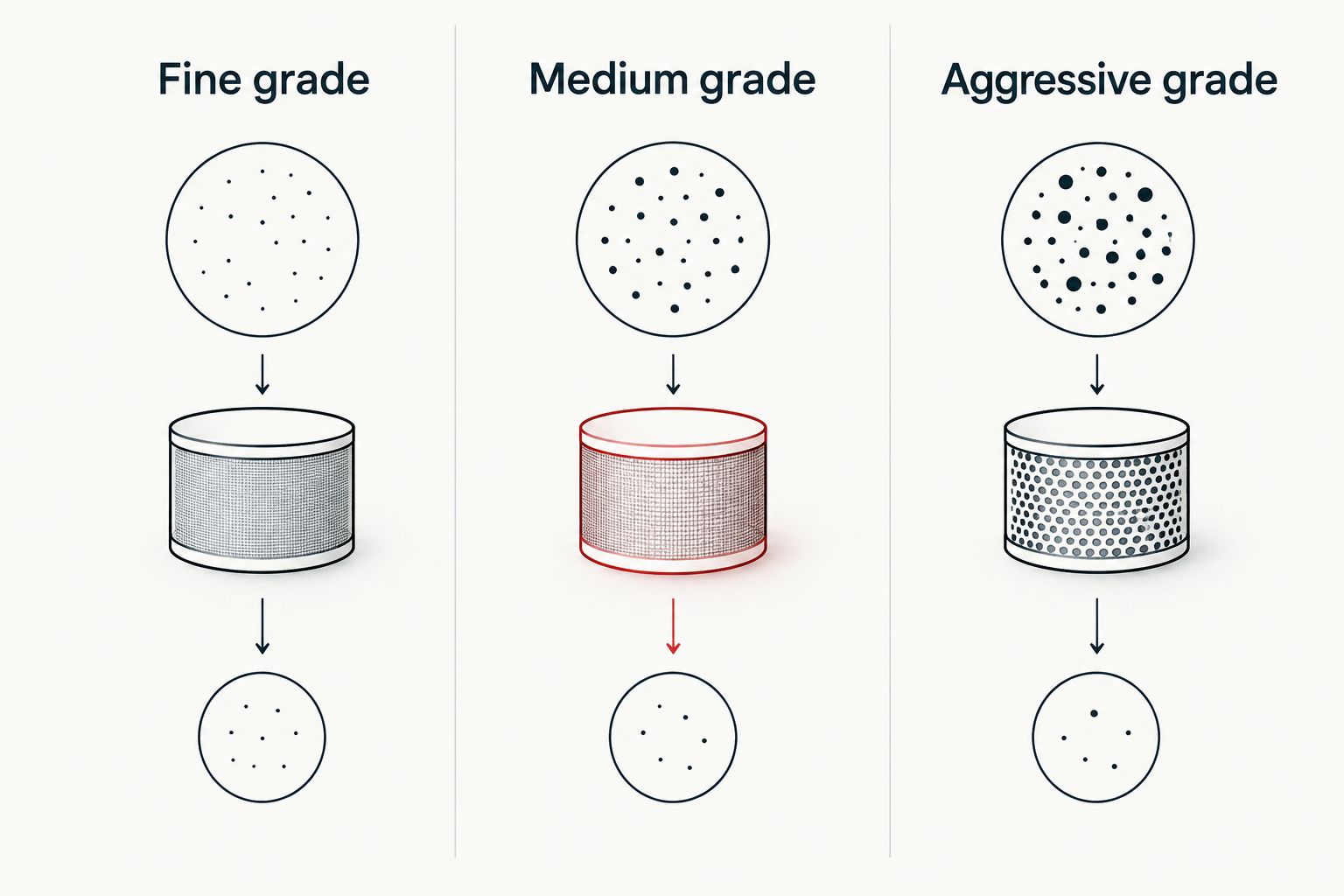
- Medium-grade clay handles bonded overspray; fine-grade is enough for routine lot-fallout maintenance.
Why this matters
A used car lot in 2026 sees overspray from three sources: nearby body shop work, industrial fallout drifting off I-285 and I-75, and rail dust from transport carriers. None of it washes off with soap and a mitt — you can feel it as roughness under your palm even after a full wash. Left on the clear coat, bonded overspray traps grit that scratches during every future wipe-down, and it kills the gloss a buyer notices walking the lot.
Detailers running car flipping and resale detailing chemicals programs treat claying as a non-negotiable prep step before any wax, sealant, or ceramic coating goes on — coatings bond to decontaminated paint, not to a film of bonded contaminant. Skip the clay step and a $200 coating job fails inside a season.
What makes the best clay bar for overspray removal
- Grade matches the contaminant. Fine clay lifts light fallout without marring; medium and aggressive grades are built for bonded overspray and rail dust.
- Format fits the volume. A single bar works fine for one car; a clay pad or mitt mounted on a dual-action polisher survives dozens of vehicles before it needs replacing.
- Lubricant compatibility. Every clay bar or pad needs a slick lubricant underneath — dry-claying is the single most common cause of marred paint.
- Reusability and lifespan. Bars get kneaded, folded, and eventually tossed once they pick up grit; pads and mitts get rinsed and reused across far more vehicles.
- Safe on daily-driver clear coat. A clay grade aggressive enough for heavy fallout still has to leave clear coat safe for polishing or coating afterward.
- Speed on a lot schedule. A used car lot turning inventory fast needs decon that fits a same-day prep window, not an hours-long hand-claying session per car.
Best clay bars and pads for overspray removal: at a glance
| Product | Best for | Standout feature | Key limitation |
|---|---|---|---|
| Maxshine Detailing Clay Bar 200g | Overall overspray removal | Strong cleaning power on bonded contaminants | Single-use bar, gets tossed once dirty |
| Nanoskin Clay Pads (Autoscrub) | High-volume lot prep | Lasts up to 4x longer than a bar per the manufacturer | Needs a DA polisher and backing pad |
| MaxShine Nano Clay Decontamination Pad 5" | Fast polisher-mounted decon | Removes contaminants faster than hand-claying | Requires clay lube to work correctly |
| Maxshine Clay Block Wash Pad | Wash-stage decontamination | Decontaminates during the wash step, ahead of waxing | Less aggressive than a dedicated clay bar |
| Meguiar's Detailing Clay | Traditional hand-claying | Familiar bar format most techs already know | Slower than pad-based systems on multiple cars |
| Maxshine Detailing Clay Bar 2pk | Budget multi-car value | Two bars covers more vehicles per purchase | Still single-use once each bar picks up grit |
1. Maxshine Detailing Clay Bar 200g: best clay bar for overspray removal overall
The Maxshine Detailing Clay Bar 200g is a traditional hand-worked bar rated for tree sap, bug residue, paint overspray, road tar, and rail dust in one pass. It's the pick when a single trade-in rolls in with visible overspray and needs a straightforward, proven method before polishing.
Maxshine Detailing Clay Bar 200g pros:
- Strong cleaning power on bonded overspray and rail dust
- Familiar bar format — no polisher or backing plate required
- Kneads and folds to expose clean clay as it picks up grit
Maxshine Detailing Clay Bar 2pk cons: the bar gets discarded once it's saturated with contaminant, and hand-claying a full vehicle takes longer than a pad mounted on a polisher.
Best for: single-vehicle overspray jobs where speed across a whole lot isn't the priority. Verdict: Buy.
2. Nanoskin Clay Pads: best clay bar alternative for high-volume lot prep
Nanoskin Clay Pads (the Autoscrub system) replace the bar entirely with a rubber-polymer pad that mounts on a hand block or polisher. The manufacturer states it lasts up to four times longer than a clay bar and glides on and off for a slicker finish, which matters when a lot is running through 10-15 vehicles a week.
Nanoskin Clay Pads pros:
- Reusable across far more vehicles than a disposable bar
- Faster coverage per panel than hand-claying
- Glides smoothly with less drag than a traditional bar
Nanoskin Clay Pads cons: if the pad is dropped on the ground mid-job it can pick up grit that scratches the next panel, and it costs more upfront than a single bar.
Best for: detailing operations and used car lots decontaminating multiple vehicles per week. Verdict: Buy.
3. MaxShine Nano Clay Decontamination Pad 5": best for fast polisher-mounted decon
This 5-inch pad mounts on a dual-action polisher and removes contaminants and impurities faster than a hand-worked clay bar, according to the manufacturer. It's built to pair with clay lubricant and snow foam ahead of correction work.
A clay mitt or pad system built for high-volume prep shortens the decon step on a used car lot working under a same-day turnaround.
MaxShine Nano Clay Decontamination Pad pros:
- Mounted on a polisher for faster coverage than a hand bar
- Works with standard clay lubricant
- Compact 5" size handles curves and trim edges
MaxShine Nano Clay Decontamination Pad cons: it needs a dual-action polisher on hand, and it's overkill for a single occasional vehicle.
Best for: shops already running a polisher for correction work who want decon folded into the same step. Verdict: Buy.
4. Maxshine Clay Block Wash Pad: best for wash-stage overspray removal
The Clay Block Wash Pad decontaminates during the wash itself, ahead of waxing or polishing, pulling overspray and brake dust off in the same motion as the soap wash. It's a lighter-touch option than a dedicated clay bar.
Maxshine Clay Block Wash Pad pros:
- Combines washing and light decontamination in one pass
- Primes the surface before waxing or coating application
- Fast for routine maintenance washes on lot inventory
Maxshine Clay Block Wash Pad cons: it's not aggressive enough for heavily bonded overspray, and a stubborn panel will still need a full clay bar pass afterward.
Best for: routine wash-day maintenance on cars that don't have heavy bonded contamination. Verdict: Buy for maintenance, not for heavy overspray.
5. Meguiar's Detailing Clay: best traditional bar for familiar technique
Meguiar's Mirror Glaze Professional Detailing Clay removes contaminants like stuck-on bugs and hard water spots using the same hand-kneading method techs have used for years. It's a known quantity for anyone trained on the classic clay-bar workflow.
Meguiar's Detailing Clay pros:
- Widely recognized format with a long track record
- Effective on bugs, tar, and hard water deposits
- No polisher or backing plate required
Meguiar's Detailing Clay cons: it's slower than pad-based systems across multiple vehicles, and like any bar it gets tossed once it picks up grit.
Best for: techs who want the traditional method without changing their workflow. Verdict: Hold — fine if you already own one, skip for new high-volume setups.
6. Maxshine Detailing Clay Bar 2pk: best budget option for multi-car lots
The 2-pack version of Maxshine's clay bar covers overspray, factory fallout, and tar across more vehicles per purchase than buying single bars one at a time.
Maxshine Detailing Clay Bar 2pk pros:
- Two bars stretch further across a lot's weekly intake
- Same cleaning formula as the single 200g bar
- Good backup stock for a detail bay
Maxshine Detailing Clay Bar 2pk cons: still single-use per bar, and a busy lot will burn through a 2-pack faster than expected.
Best for: shops that want bar-format clay on hand without committing to a pad system yet. Verdict: Buy for budget-conscious multi-car stock.


How we ranked these
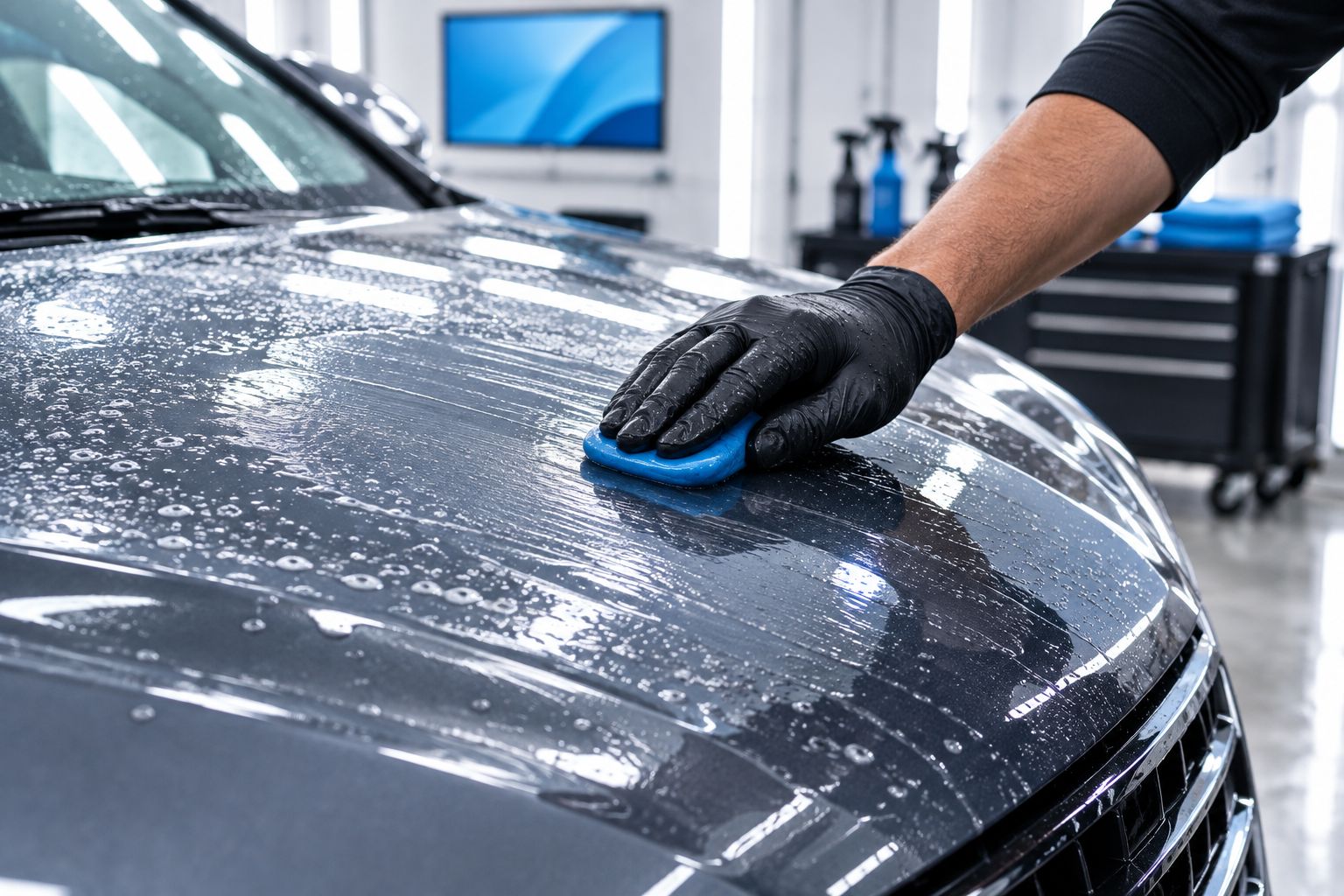
Each clay bar or pad is judged against the six criteria above: grade fit, format for the workload, lubricant compatibility, reusability, clear-coat safety, and speed on a lot schedule. The Maxshine Detailing Clay Bar 200g tops the list because it handles bonded overspray on a single vehicle without needing a polisher on hand, while Nanoskin Clay Pads earns the volume slot because its pad format survives far more panels before it needs replacing.
Which clay bar should you choose for overspray removal in 2026?
If you're detailing one trade-in at a time, buy the Maxshine Detailing Clay Bar 200g and pair it with a dedicated lubricant — don't skip that step. If your lot is turning multiple cars a week, the Nanoskin Clay Pads system pays for itself in fewer replacement purchases and faster coverage per vehicle. For routine wash-day maintenance between full decon sessions, the Maxshine Clay Block Wash Pad keeps light fallout from building up in the first place.
“A clay bar that's dry on the paint isn't cleaning it — it's scratching it.”
FAQ
What is the best clay bar for overspray removal in 2026?
The Maxshine Detailing Clay Bar 200g is the best clay bar for overspray removal on a single vehicle in 2026, rated for tree sap, bug residue, tar, rail dust, and bonded overspray in one pass. For lots decontaminating multiple cars per week, Nanoskin Clay Pads last longer per the manufacturer and mount on a polisher for faster coverage.
Can you clay a car without lubricant?
No — claying dry paint is the most common cause of marred clear coat. A dedicated clay lubricant like Koch Chemie CLS or 3D GLW keeps the bar or pad sliding instead of dragging grit across the surface.
Is a clay pad better than a clay bar?
A clay pad mounted on a dual-action polisher covers more vehicles before it needs replacing, according to manufacturer claims of up to 4x the lifespan of a bar. A traditional bar still works fine for single-vehicle jobs and doesn't require a polisher.
How often should a used car lot clay incoming inventory?
Every trade-in with visible overspray, rail dust, or a rough feel under the palm after washing needs a clay pass before any wax, sealant, or coating goes on. Routine lot inventory without heavy contamination can rely on a wash-stage decon pad like the Maxshine Clay Block Wash Pad.
What clay grade removes bonded paint overspray?
Medium or aggressive grade clay is built for bonded overspray and rail dust, while fine grade is enough for light routine fallout. Using too aggressive a grade on light contamination risks marring paint that didn't need it.
Does claying replace polishing or waxing?
No — claying only removes bonded surface contaminants; it doesn't correct swirls or restore gloss. It's a prep step that has to happen before polishing, waxing, or ceramic coating for those products to bond correctly.
Can a clay bar be reused?
A clay bar can be kneaded and folded to expose clean clay as it picks up grit, but once it's saturated or dropped on the ground it gets discarded. Pad-based systems like Nanoskin Clay Pads are designed to be rinsed and reused across more vehicles instead.
One last thing
Run your fingertips over a hood after a fresh wash before you decide a car needs claying — bonded overspray feels gritty under plastic wrap even when it's invisible to the eye, and that tactile test catches contamination a visual inspection misses every time on a 2026 lot full of trade-ins from mixed sources.